

Report Launch |
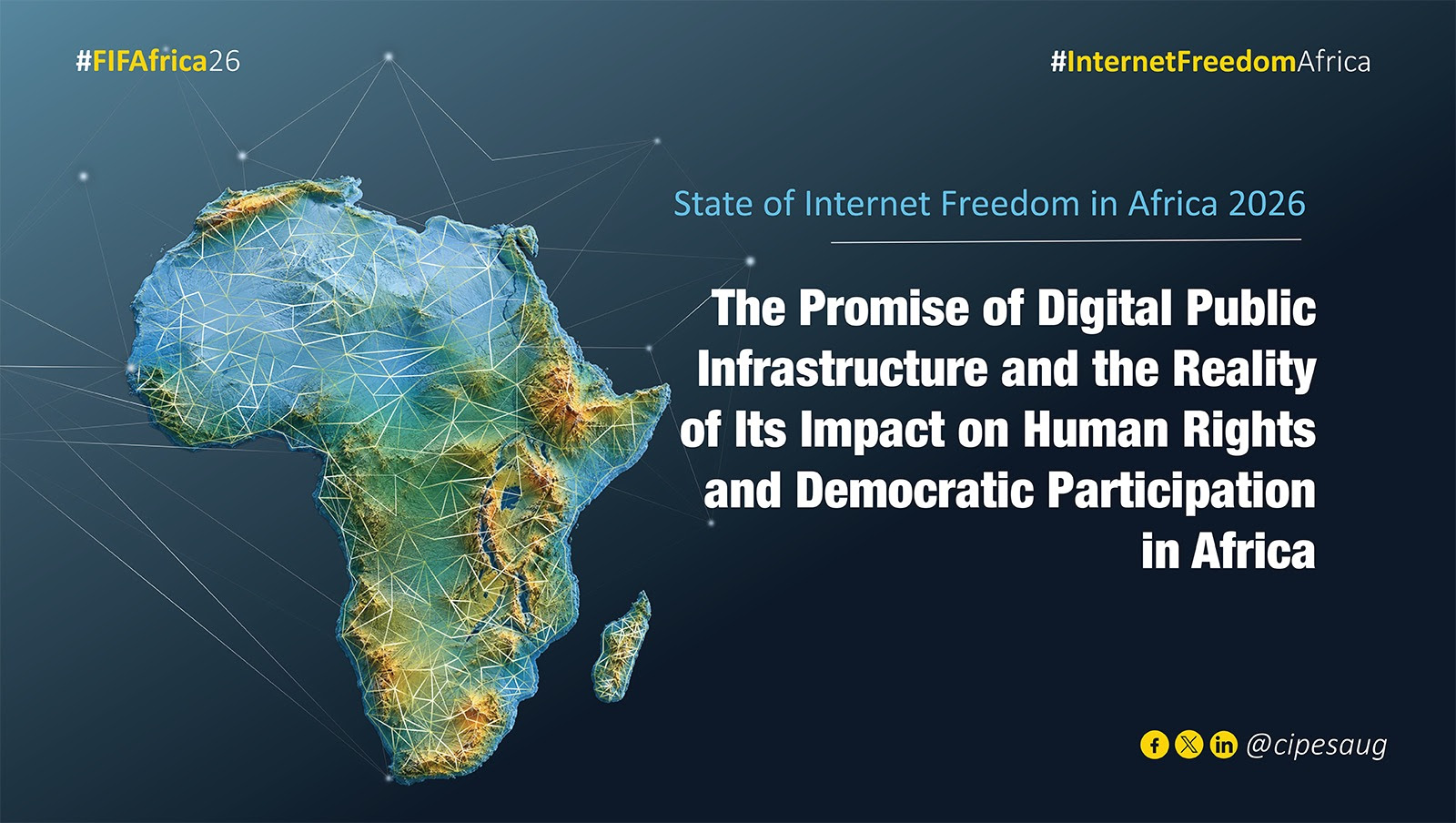
For four days, the Forum on Internet Freedom in Africa (FIFAfrica26) brought together voices from across Africa and beyond to engage in discussions and debates on the state and future of internet freedom in Africa. The Forum concluded with the launch of the 2026 edition of the State of Internet Freedom in Africa report.
This year’s report examines how Digital Public Infrastructure (DPI) systems are reshaping the relationship between states and citizens, particularly in relation to digital rights, democratic governance and civic participation. Much of the existing work on DPI has focused on technical design, economic efficiency and service delivery outcomes, with far less attention given to the human rights implications of DPI governance and implementation.
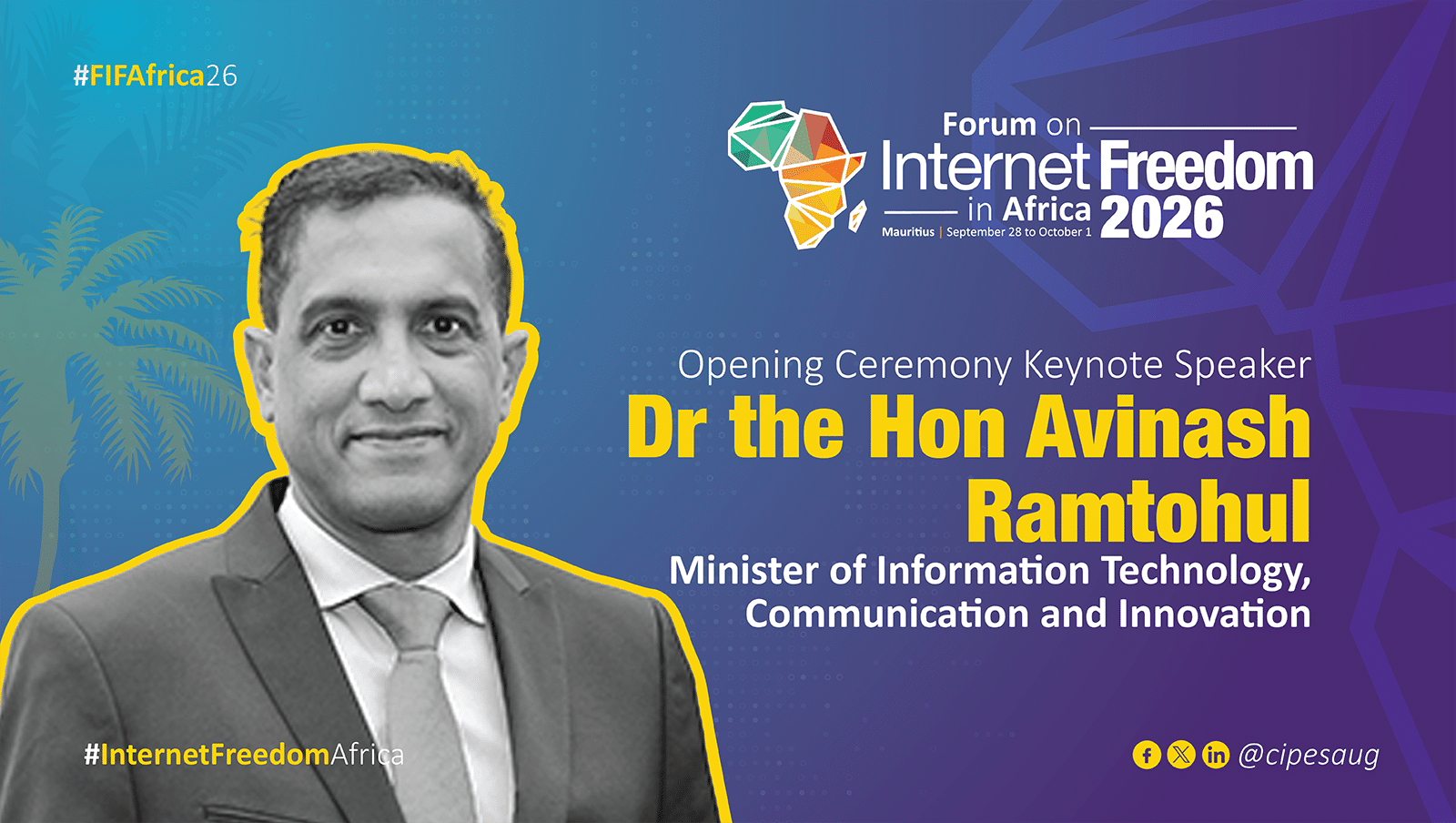
The report was officially launched during the FIFAfrica26 closing ceremony by Dr the Hon. Avinash Ramtoh, Minister of Information and Communication Technology of Mauritius. “DPI is a critical infrastructure in any forward-looking country,” he said. “We must make our internet more inclusive, accessible and rights-respecting.”
The report documents how DPI deployment is affecting human rights, governance and democratic participation across 11 African countries: Egypt, Ethiopia, Ghana, Kenya, Nigeria, Senegal, South Africa, Tunisia, Uganda, Zambia and Zimbabwe. It provides evidence that can support civil society organisations, policymakers, development partners, regional institutions and technology providers in strengthening rights-respecting DPI governance frameworks before these systems become further entrenched in public administration and everyday life.
DPI is increasingly positioned as a foundation for digital transformation, offering systems that can support services such as digital identification, payments and data exchange. Across Africa, governments and development actors are investing in these systems as part of broader efforts to modernise public services and expand digital economies.
Hosted in Mauritius, FIFAfrica26 created space for policymakers, researchers, civil society organisations, journalists, technologists, activists, development partners and others to exchange experiences, challenge assumptions and interrogate some of the most pressing questions facing Africa’s digital society.
Since its inception in 2014, FIFAfrica has become an important convening space for shaping debates on digital rights, internet governance and civic freedoms across the continent. Its continued relevance lies in its ability to remain closely attuned to the changing realities of Africa’s digital landscape.
Across conversations on artificial intelligence, digital public infrastructure, data governance, platform accountability, digital inclusion, civic participation and digital security, the theme that remained constant was that technology is not separate from society. The systems we build, the rules that govern them and the choices made about their use have consequences for rights, participation and power.
As Africa’s digital transformation accelerates, these questions are becoming increasingly important. The systems being built today will shape how people access services, engage with governments, participate in public life and exercise their rights for years to come.
Find the full report here: State of Internet Freedom in Africa 2026